

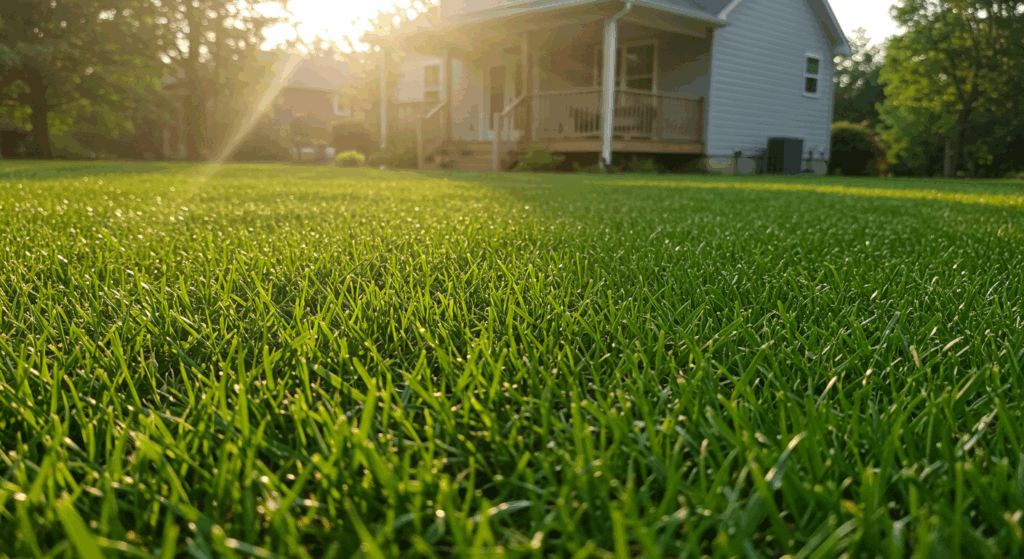
Every Maryland homeowner dreams of a lush, green lawn, but for many, shade is a constant challenge. Whether your property is nestled among mature oaks in Bel Air, surrounded by maples in Towson, or shaded by evergreens in Elkton, finding the right approach for shady lawns can feel daunting. At Cox Enterprises, we know that shade doesn’t have to mean sparse, patchy grass or endless frustration. With the right strategies, plant choices, and year-round care, you can transform even the shadiest corners of your yard into vibrant, healthy spaces. This comprehensive guide brings together the best shade lawn solutions for Harford, Cecil, and Baltimore Counties—backed by local expertise, proven science, and a deep understanding of Maryland’s unique climate.
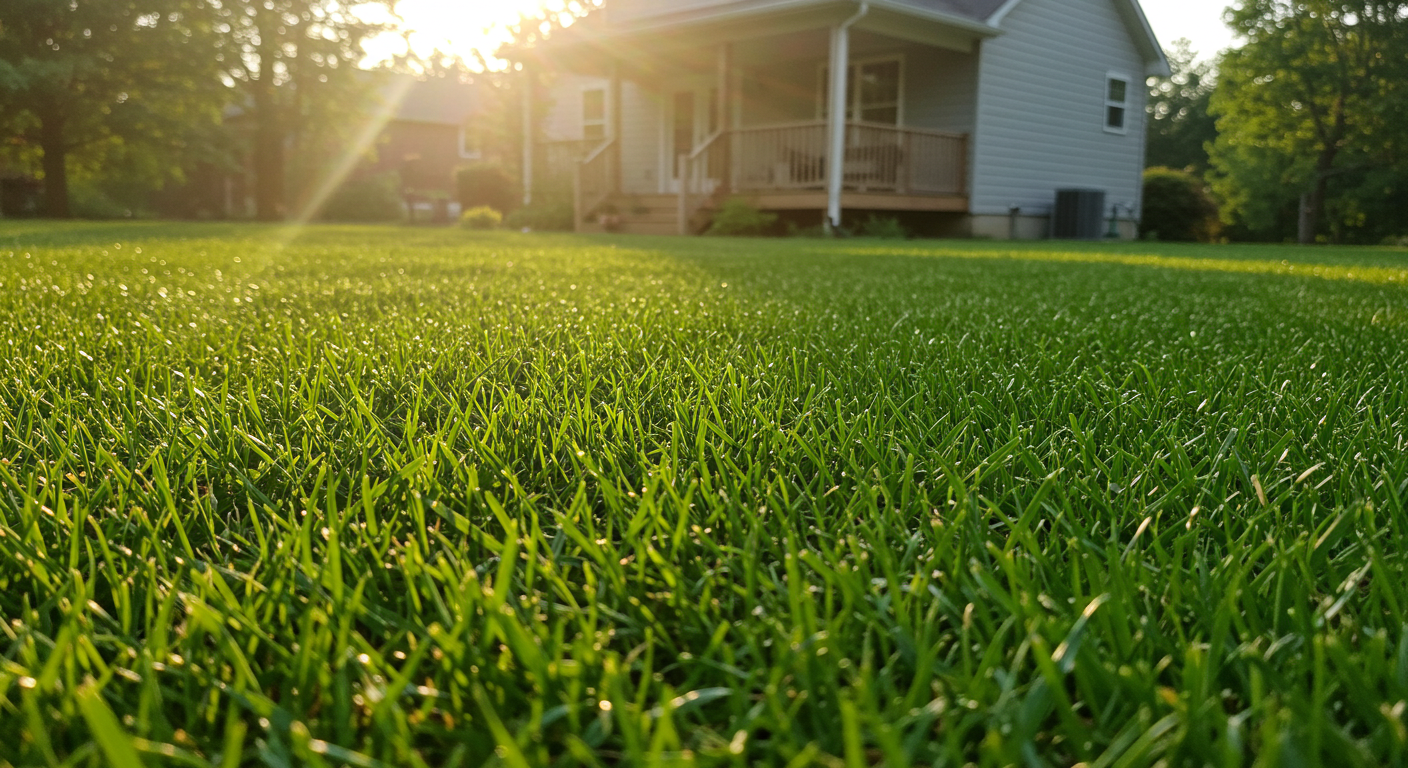
The Challenge of Growing Grass in Shady Areas
Shade is one of the most common reasons Maryland lawns struggle. Trees, fences, and buildings can block sunlight for hours each day, making it difficult for traditional turf grasses to thrive. In areas like North East and Aberdeen, where mature landscapes are prized, shade is both a blessing and a challenge. Grass in these areas often grows thin, becomes susceptible to disease, and competes with tree roots for water and nutrients. Maryland’s humid summers and cool, damp springs can further complicate matters, encouraging moss and fungal issues in shaded spots.
But shade doesn’t have to be the enemy of a beautiful lawn. By understanding the specific needs of shady areas and choosing the right solutions, you can enjoy a healthy, green yard no matter how many trees you have.
Best Grass Types for Shade in Maryland
Success in shady lawns starts with the right grass varieties. Not all grasses are created equal—some need full sun, while others are bred to tolerate lower light. In Maryland, fine fescue and tall fescue are standout performers for shaded lawns. These grasses are naturally more shade-tolerant, requiring less sunlight to photosynthesize and stay green. Fine fescue, in particular, is known for its delicate texture and ability to thrive under tree canopies in places like Bel Air and Towson. Tall fescue offers a coarser blade but is tough, drought-resistant, and well-suited to the variable soils of Harford and Cecil Counties.
If you’re starting a new lawn or overseeding, look for seed blends specifically labeled for shade. These mixes often combine several fescue types to maximize coverage and resilience. For more on choosing the right grass for your property, our Lawn Care Planning guide offers detailed advice on grass selection and soil preparation.
Tips for Managing Shade
Growing grass in shade isn’t just about the seed—it’s about creating the best possible environment for your lawn to succeed. Pruning trees and shrubs to allow more filtered light can make a significant difference. Even removing a few lower branches or thinning the canopy can increase sunlight by several hours each day, giving your grass a fighting chance.
Soil health is another critical factor. Shady areas often have compacted, nutrient-poor soil due to tree roots and less organic matter. Regular aeration, as described in our Lawn Care Schedule, helps relieve compaction and improves water and nutrient movement. Adding compost or organic matter can further boost soil fertility, supporting stronger, deeper roots.
Mowing practices also matter. In shaded lawns, it’s best to mow at a higher setting—around three inches—to maximize leaf area and photosynthesis. Avoid cutting more than one-third of the blade at a time, and keep mower blades sharp to prevent tearing delicate grass. For a full breakdown of seasonal mowing and care, see our Spring Lawn Care and Fall Lawn Care articles.
Watering is especially important in shade, where tree roots compete aggressively for moisture. Deep, infrequent watering encourages grass roots to grow deeper, making them more resilient during dry spells. Be mindful of overwatering, though, as shady areas dry out more slowly and can become prone to fungal diseases.
Alternative Solutions: Groundcovers, Mulch, and Native Plants
Sometimes, even the best grass varieties struggle in deep shade. In these cases, embracing alternative landscaping solutions can turn a problem area into a highlight of your yard. Groundcovers like wild ginger, golden groundsel, and foamflower are native to Maryland and thrive in low-light conditions. These plants form dense mats that suppress weeds, prevent erosion, and add texture and color to shady spots.
Mulching under trees and in hard-to-mow areas is another smart strategy. Mulch conserves moisture, moderates soil temperature, and reduces competition from weeds. It also creates a tidy, finished look that complements both lawns and garden beds.
For a truly sustainable approach, consider incorporating more native plants into your landscape. Native species are adapted to Maryland’s climate and soils, requiring less water and maintenance than non-natives. Our Native Plants Maryland guide is packed with ideas for shade-loving trees, shrubs, and perennials that will thrive in your yard while supporting local wildlife.
Year-Round Care for Shady Lawns
Maintaining a healthy lawn in the shade is a year-round commitment. In spring, focus on raking, aeration, and overseeding to jumpstart growth. Summer brings the challenge of heat and drought, so monitor soil moisture and adjust watering as needed. Fall is the perfect time for aeration, overseeding, and fertilization, helping your lawn recover from summer stress and prepare for winter. Even in winter, it’s important to avoid heavy foot traffic on dormant grass and to keep an eye out for snow and ice buildup, which can damage delicate turf.
For a comprehensive, month-by-month approach, our Lawn Care Schedule and Lawn Care Planning resources provide detailed guidance tailored to Maryland’s unique climate.
Professional Help: Why Local Expertise Matters
While many shade lawn solutions can be implemented by homeowners, some situations call for professional expertise. At Cox Enterprises, we specialize in diagnosing and solving the toughest lawn challenges in Harford, Cecil, and Baltimore Counties. Our team understands the subtle differences in local soils, weather patterns, and plant communities, allowing us to recommend the best strategies for your specific property.
Whether you need help selecting the right grass seed, improving soil health, or designing a shade-friendly landscape, our Professional Lawn Care services are here to help. We offer customized plans, expert advice, and reliable service to ensure your lawn looks its best in every season.
For more in-depth information and practical tips, explore our full suite of Maryland lawn care resources:
- Lawn Care Planning: Year-round strategies for every property
- Lawn Care Schedule: Month-by-month guidance for Maryland lawns
- Native Plants Maryland: Eco-friendly options for shade and sun
- Professional Lawn Care: Expert help for every lawn challenge
- Spring Lawn Care: Seasonal tips for a strong start
- Fall Lawn Care: Essential fall tasks for a healthy lawn
- Shade Lawn Solutions: (This page—bookmark for future reference!)
Don’t let shade stand between you and the lawn you want. With the right approach, even the shadiest spots can become lush, green, and inviting. Book a shade lawn consultation with Cox Enterprises today, and let our local experts help you unlock the full potential of your Maryland yard.